
Showing 1–24 of 197 resultsSorted by price: low to high



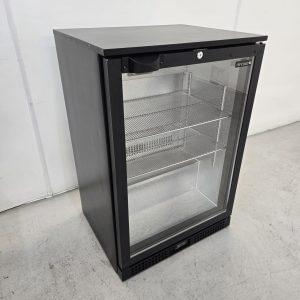

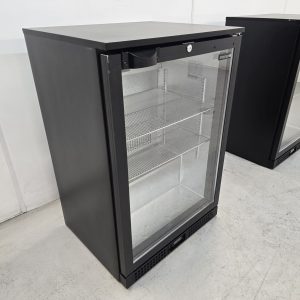
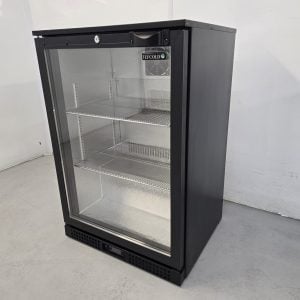
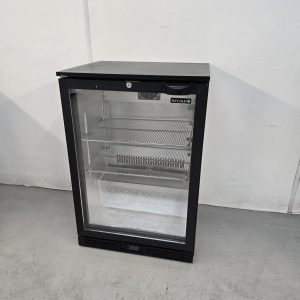
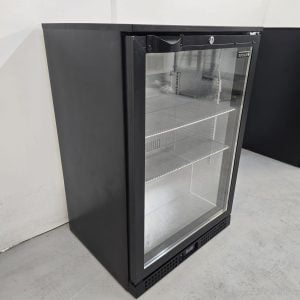
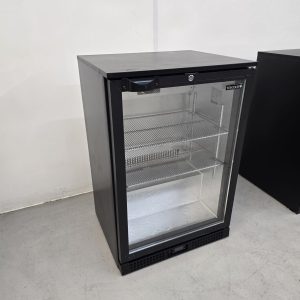
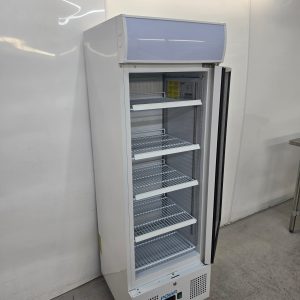


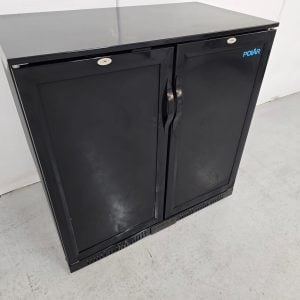
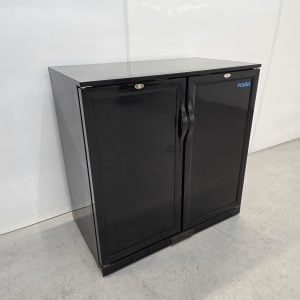
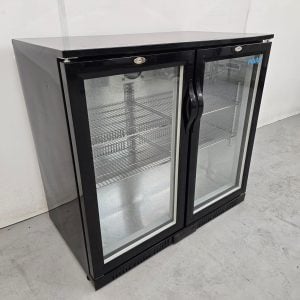


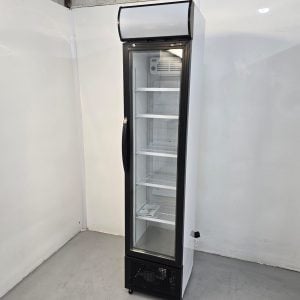
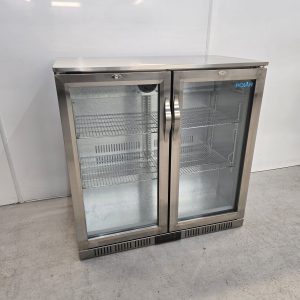
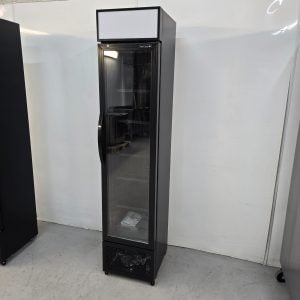
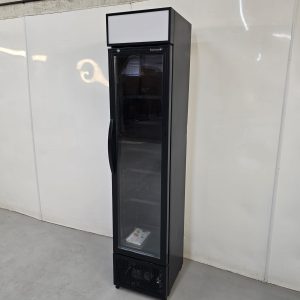
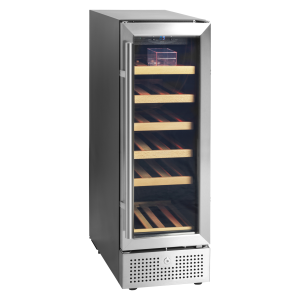
Showing 1–24 of 197 resultsSorted by price: low to high
Commercial Display Fridge FAQs
What is the difference between a display fridge and a standard commercial fridge?
A display fridge has glass doors or open fronts and built-in lighting so customers can see the products. A standard commercial fridge has solid doors and is used for storage rather than display. Display fridges suit shops, cafés, and grab-and-go service.
What temperature should a commercial display fridge run at?
Drinks display fridges run at 2°C to 8°C. Food display fridges for sandwiches and salads run at 1°C to 5°C to meet UK food safety law. Most H2 display fridges have a digital thermostat so you can set the right temperature for your stock.
Single deck or multi-deck display fridge?
Single deck (counter top) suits small operations like cafés and bakeries. Multi-deck (upright with multiple shelves) holds more stock and is the standard for convenience stores and forecourts. Choose based on shelf space needed and floor footprint available.
Are display fridges energy efficient?
Modern commercial display fridges carry energy ratings from A to G. LED lighting, double-glazed doors, and night blinds reduce running costs. An A or B rated unit can use 30 to 40% less energy than older fridges, which adds up over a year of constant use.
Do display fridges come with shelving and lighting?
Yes. All H2 display fridges include adjustable shelves and integrated LED lighting as standard. Some models include price ticket strips, security locks, and night curtains. Check the product spec for the full list of features included with each model.
How long is the warranty on H2 display fridges?
Standard warranty is 12 months parts and labour on most new display fridges. Extended warranties of 2 to 5 years are available on premium brands like Polar and Foster. Used and clearance fridges carry a shorter warranty, listed clearly on each product page.


