
Showing 1–24 of 51 resultsSorted by price: low to high
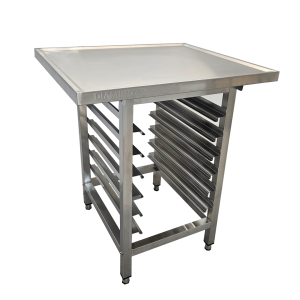




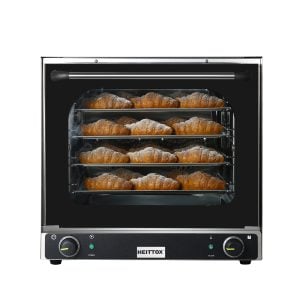


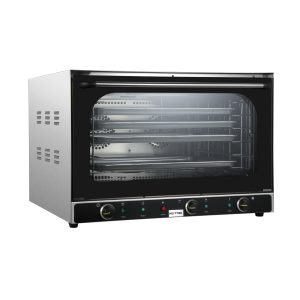


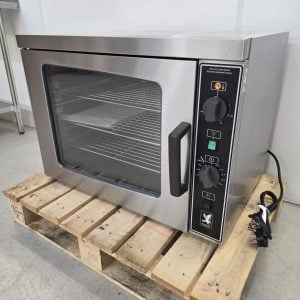



Showing 1–24 of 51 resultsSorted by price: low to high
Commercial Electric Oven FAQs
What is the difference between a convection and a conventional electric oven?
A convection oven uses a fan to circulate hot air, which cooks faster and more evenly and suits batch baking. A conventional oven heats from fixed elements with no fan, giving gentler top and bottom heat. Most commercial electric ovens are fan convection.
Electric or gas oven for a commercial kitchen?
Electric ovens give more even, controllable heat and are easier to install where there is no gas supply. Gas ovens heat quickly and can be cheaper to run depending on tariffs. Electric is the common choice for baking and precision cooking.
What power supply does a commercial electric oven need?
Smaller convection ovens run on a 13A or 16A single-phase plug. Larger and combi ovens often need a higher-rated single-phase or a three-phase supply. Always check the kW rating and have a qualified electrician confirm your supply before installing.
What size electric oven do I need?
Capacity is measured by tray size, usually 60x40cm baking trays or gastronorm pans. A 4-tray oven suits cafés and small kitchens. 6 to 10 tray ovens suit restaurants and bakeries. High-volume production kitchens use floor-standing or double-stacked ovens.
Do commercial electric ovens need an extraction canopy?
In most commercial kitchens, yes. An extraction canopy removes heat, steam, and cooking odours and is usually required to meet ventilation and insurance standards. The exact requirement depends on the oven type and your local building regulations.
Can a commercial electric oven cook a range of dishes at once?
Fan convection ovens cook evenly across every shelf, so you can bake multiple trays at the same temperature together. Strong-smelling foods can transfer flavour, so it is best to group similar dishes. Combi models add steam for even more flexibility.


