
Showing all 23 productsSorted by price: low to high





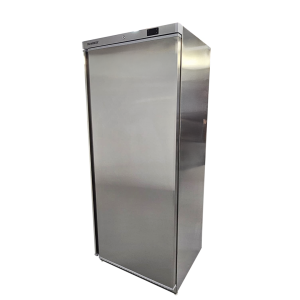
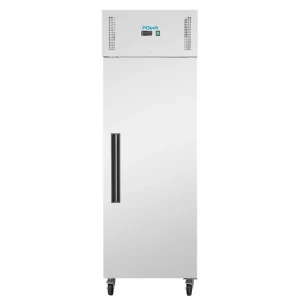
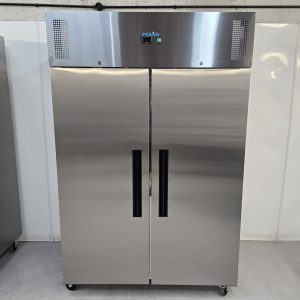
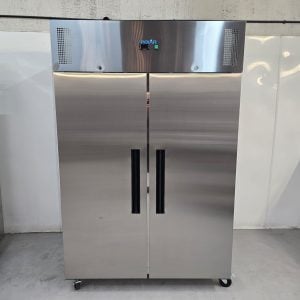





Showing all 23 productsSorted by price: low to high
Commercial Upright Freezer FAQs
What is the difference between an upright freezer and a chest freezer?
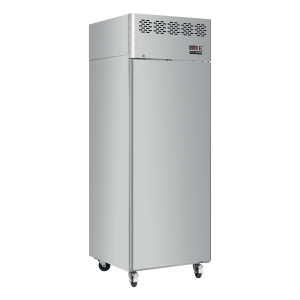
An upright freezer opens at the front with shelves, which makes stock easy to see and reach and saves floor space. A chest freezer opens at the top and holds more per cubic metre but is harder to organise. Uprights suit busy kitchens with frequent access.
Single or double door upright freezer?
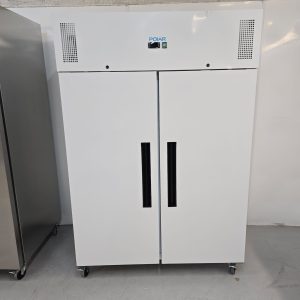
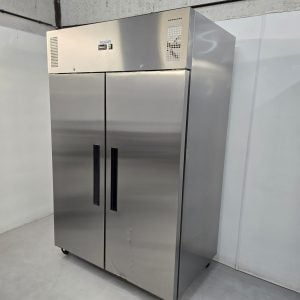
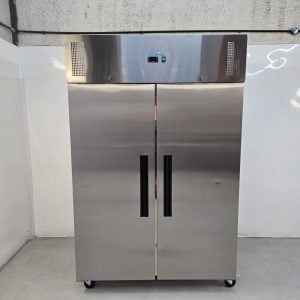
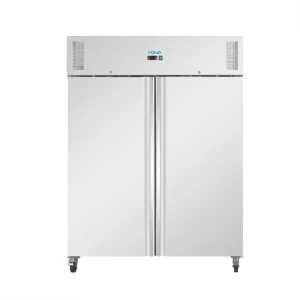
A single door freezer suits cafés and smaller kitchens with moderate frozen storage. A double door holds roughly twice the stock and suits restaurants, pubs, and high-volume sites. Choose based on how much frozen stock you turn over each week.
What temperature do commercial upright freezers run at?
UK commercial upright freezers operate at minus 18°C to minus 22°C, the standard for safe frozen storage. Most H2 models have a digital display and a high-temperature alarm that warns you if the cabinet rises above the safe range.
What is the difference between frost-free and static freezers?
A frost-free freezer circulates air to stop ice building up, so you never need to defrost it manually. A static freezer is simpler and cheaper but needs occasional defrosting. Frost-free is the easier option for busy kitchens that open the door often.
What capacity upright freezer do I need?
Single door uprights typically hold 350 to 600 litres, enough for cafés and small restaurants. Double door models hold 1,200 to 1,400 litres for high-volume kitchens. Allow headroom for busy periods rather than sizing to your average week.
How energy efficient are commercial upright freezers?
Modern uprights carry energy ratings and use features like LED lighting, better insulation, and efficient compressors to cut running costs. An A or B rated cabinet uses noticeably less power than an older unit, which adds up over constant year-round use.


