
Showing all 10 productsSorted by price: low to high
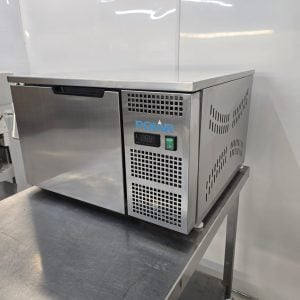


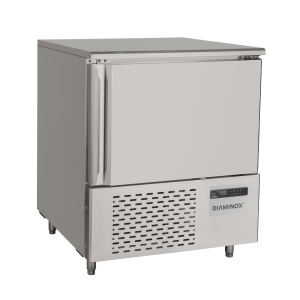



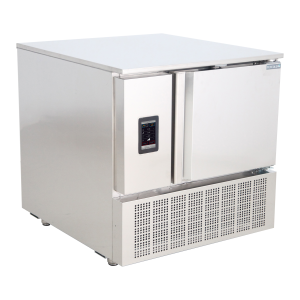
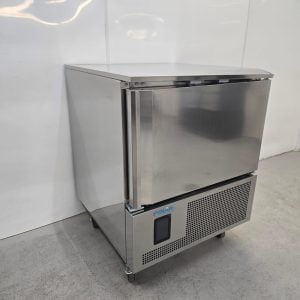
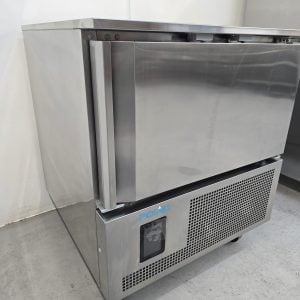
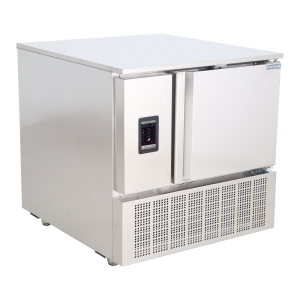
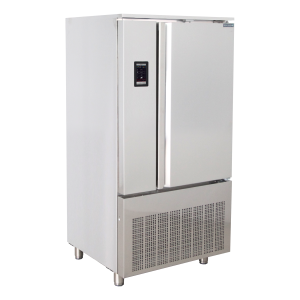


Showing all 10 productsSorted by price: low to high
Commercial Blast Chiller FAQs
What does a blast chiller do?
A blast chiller rapidly cools hot food from 70°C down to 3°C in under 90 minutes. This stops bacteria multiplying in the danger zone between 8°C and 60°C, extends shelf life, and locks in flavour and moisture. It is essential kit for batch cooking and meal prep.
Why is HACCP compliance important for blast chillers?
UK food safety law (the Food Safety Act and HACCP rules) requires cooked food to be cooled from 60°C to under 8°C within 90 minutes. Standard fridges cannot do this safely. A blast chiller is the only compliant way to cool large batches in a commercial setting.
How long does a blast chiller take to cool food?
Cycle time depends on food density and load size. A standard 5-tray blast chiller cools 25kg of cooked food from 70°C to 3°C in 90 minutes. Thinner foods like sauces can take 30 to 45 minutes. Larger floor-standing units handle up to 100kg per cycle.
What is the difference between a blast chiller and a blast freezer?
A blast chiller cools food rapidly to 3°C for safe refrigeration. A blast freezer goes further and freezes food to minus 18°C for storage of weeks or months. Many H2 units are combined chiller-freezers and switch between both modes.
What size blast chiller do I need?
Counter-top 3-tray units suit small kitchens producing meal prep for under 30 covers. 5 to 10 tray cabinets suit restaurants and care homes. Roll-in floor models with 20-plus trays suit central production kitchens, bakeries, and hospital catering.
Can a blast chiller be used as a regular fridge?
It can, but it is inefficient to do so. Blast chillers use higher-powered compressors designed for rapid cooling cycles. For day-to-day storage, a standard commercial fridge uses less energy. Use the blast chiller for its actual purpose and keep storage separate.


