
Showing 1–24 of 39 resultsSorted by price: low to high









Showing 1–24 of 39 resultsSorted by price: low to high
Commercial Dough Mixer FAQs
What is the difference between a spiral mixer and a planetary mixer?
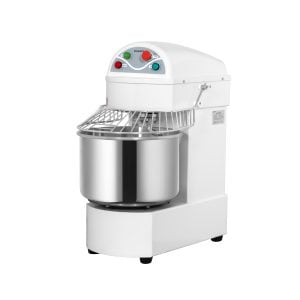
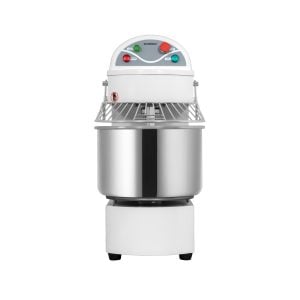
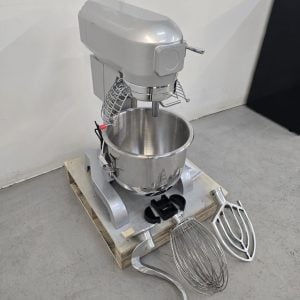
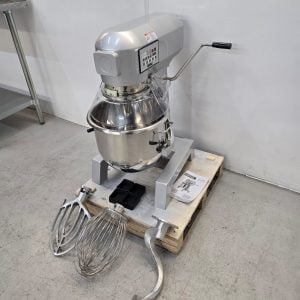
A spiral mixer has a fixed hook that rotates with the bowl, which gives less friction and is gentler on the dough. A planetary mixer has a moving attachment that orbits the bowl and works for dough, batter, and cream. Spiral suits bakeries, planetary suits mixed kitchens.
What size dough mixer do I need?
Small cafés and pizzerias do well with a 5 to 8 litre bowl. Mid-size bakeries and restaurants need 20 to 30 litres. High-volume pizza and bread businesses use 40 to 60 litre floor-standing mixers. Always size up by at least 25% to account for dough rise.
What can a commercial dough mixer make besides bread dough?
Planetary dough mixers handle pizza dough, pastry, batter, meringue, mash, mince, and cake mix. Spiral mixers are bread-focused but also work for pasta dough and pizza dough. Many H2 mixers come with multiple attachments for versatile kitchen use.
Are commercial dough mixers safe to use?
Yes. UK commercial dough mixers come with a safety guard over the bowl that stops the motor when lifted. Built-in overload protection prevents burnout if the dough is too stiff. Operators should still follow training and never reach into a moving bowl.
How much power does a commercial dough mixer use?
Counter-top mixers typically draw 0.5kW to 1.5kW and run on a standard plug. Floor-standing 40 to 60 litre mixers need 2 to 4kW and may require a 16A or three-phase supply. Check the product spec to match the electrical setup of your kitchen.
What is the warranty on H2 commercial dough mixers?
Brand new mixers from Lincat, Hobart, and Crypto Peerless typically carry 12 to 24 months parts and labour warranty. Refurbished mixers usually carry 3 to 6 months. Each H2 product page lists the exact warranty for that specific unit.


