
Showing 1–24 of 50 resultsSorted by price: low to high
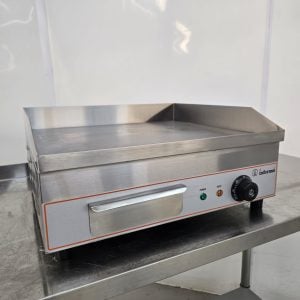


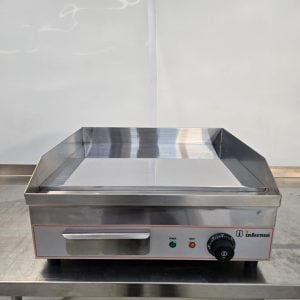
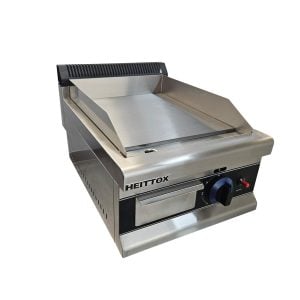


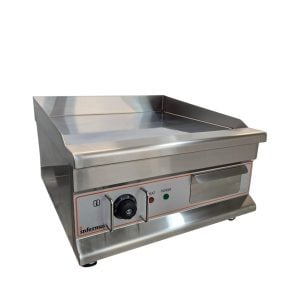
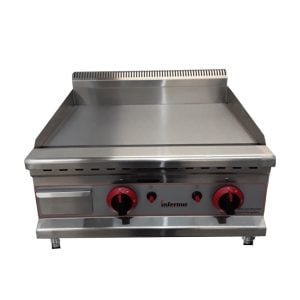
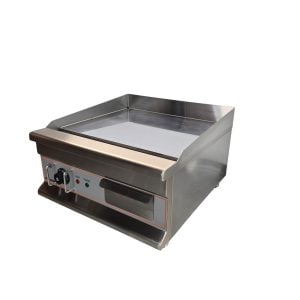
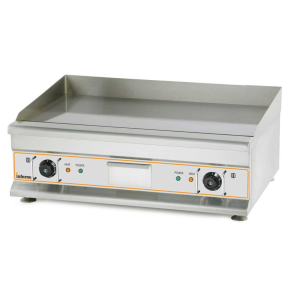








Showing 1–24 of 50 resultsSorted by price: low to high
Commercial Griddle FAQs
What is the difference between a flat top and a ribbed griddle?
A flat top griddle gives an even cooking surface for eggs, pancakes, and bacon. A ribbed griddle creates char marks and is better for steaks, burgers, and grilled vegetables. Many commercial griddles come with half flat, half ribbed for flexibility.
Gas or electric griddle for a commercial kitchen?
Gas griddles heat up faster and recover heat more quickly between batches, which makes them the standard choice for busy kitchens. Electric griddles are easier to install, cleaner, and work well where gas is not available or for smaller volume sites.
What temperature should a commercial griddle reach?
Most commercial griddles reach 200°C to 300°C. For breakfast service, 175°C to 200°C suits eggs and pancakes. For searing meat, 230°C and above is ideal. All H2 griddles have thermostatic controls for accurate temperature setting.
How do you clean a commercial griddle?
Scrape the surface while still warm, wipe with a damp cloth, and apply a thin layer of cooking oil to season. Avoid harsh detergents on cast iron or chrome surfaces. Daily cleaning extends the life of the plate and prevents flavour transfer.
What size griddle do I need?
For a small café, a 30 to 40cm counter top griddle is enough. Mid-size kitchens need 60 to 90cm. High-volume operations like burger restaurants benefit from 120cm or larger floor-standing units. Match the size to your busiest service period.
Are commercial griddles suitable for outdoor catering?
LPG gas griddles are well suited to outdoor catering and street food. Electric griddles work outdoors if a generator or power source is available. H2 stocks both, including portable units designed for events, festivals, and mobile catering.


